


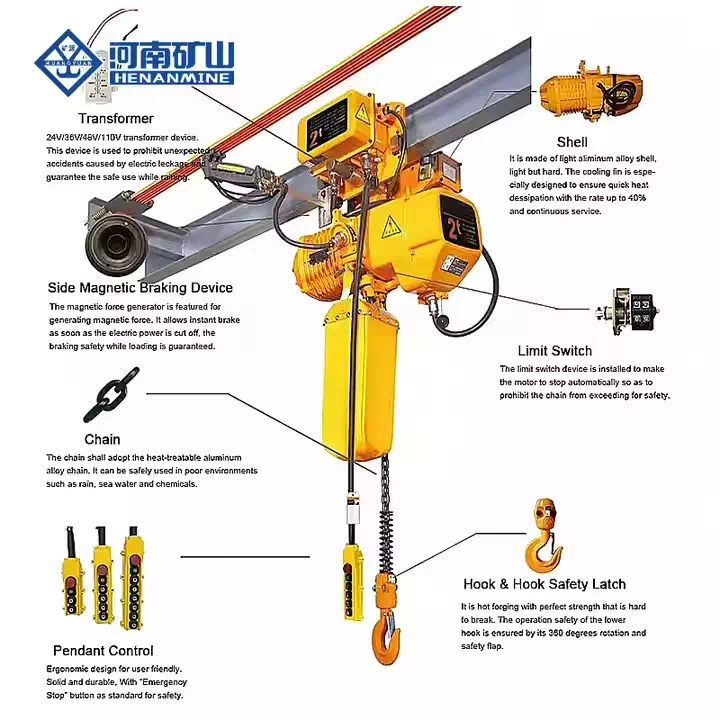


 Lifting hook
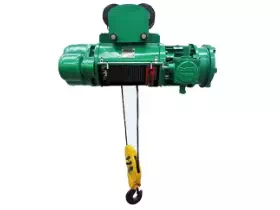


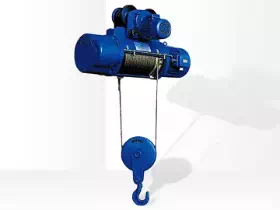
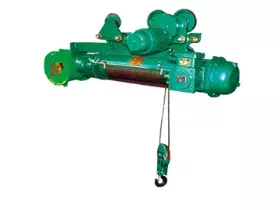
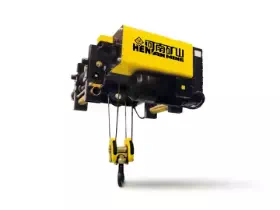
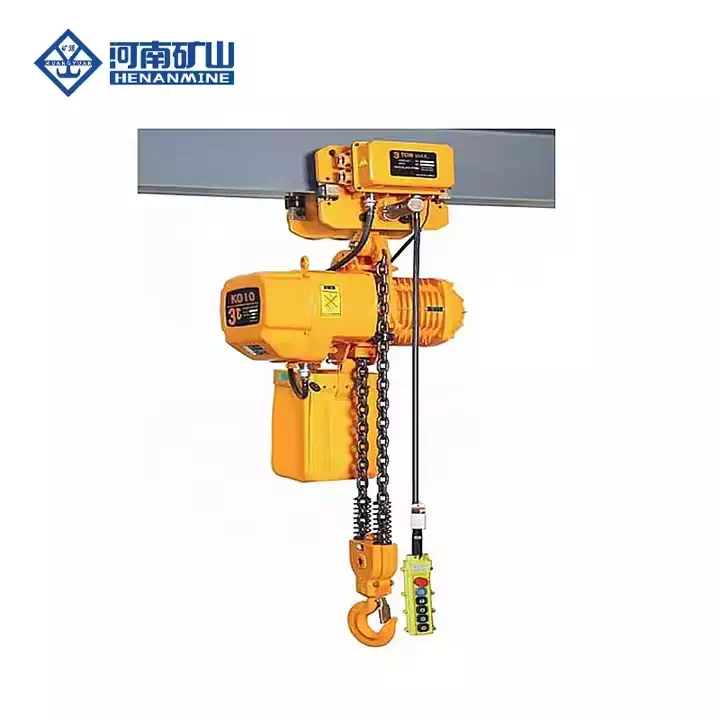
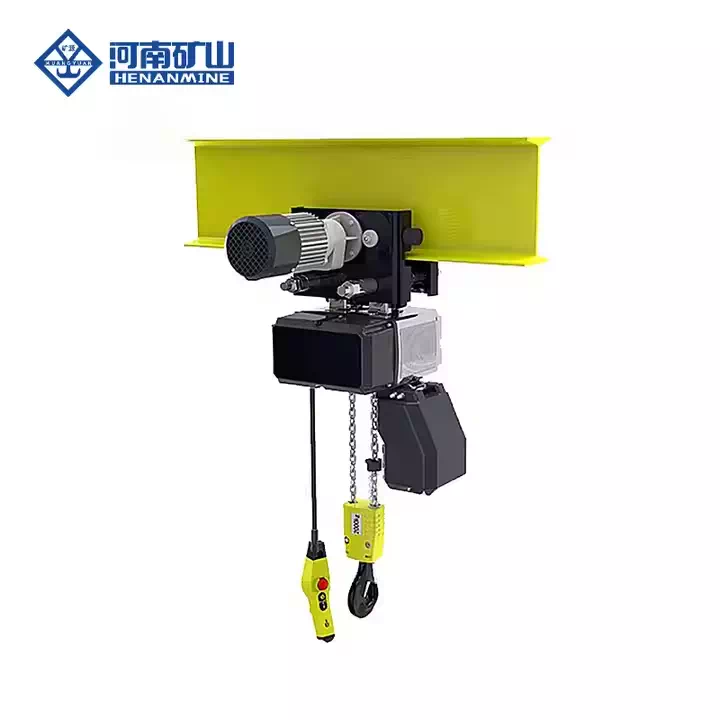
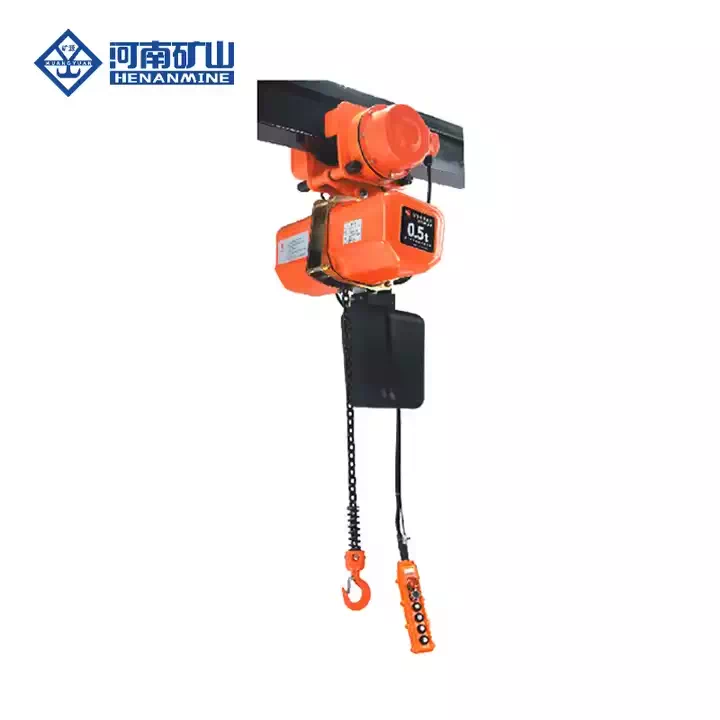
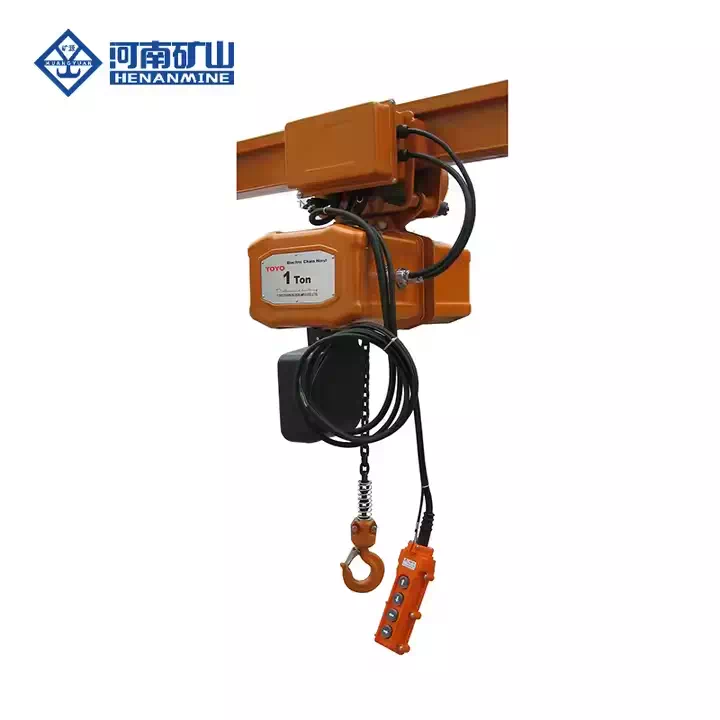
The electric chain hoist is a compact, lightweight lifting device characterized by a robust design, high efficiency, and reliable performance. It consists of a motor, transmission mechanism, and chain wheel, with internal gears that are heat-treated for enhanced wear resistance and toughness.
Core Technology & Design
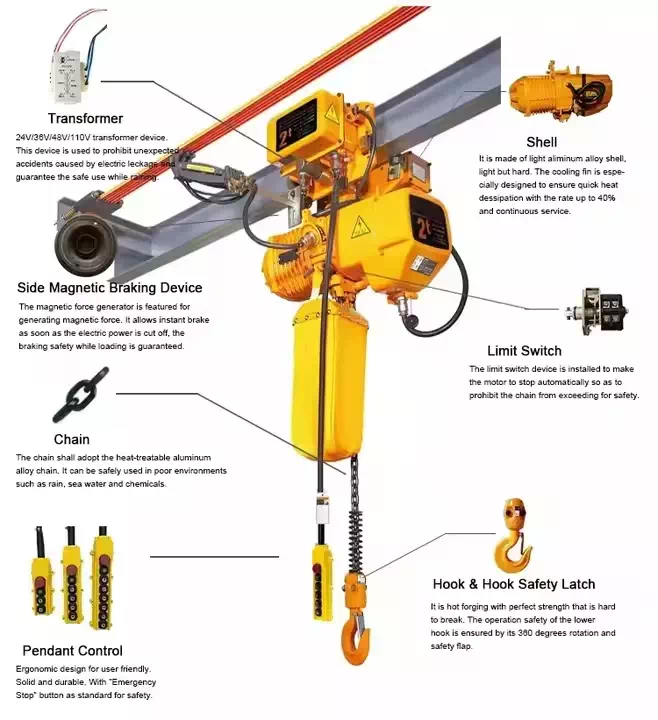
This advanced hoist integrates a motor and reducer imported from Germany. Its highly compact and modular design combines the lifting motor, reducer, reel, and limit switch into a single unit, saving space while improving overall reliability and simplifying maintenance.
Key Features
High-Performance Motor: Capable of continuous operation under full load for 30 minutes, featuring Class B insulation.
Durable Lifting Chain: The chain undergoes surface hardening to protect its core material, ensuring long-term performance. Chain length can be customized upon request.
Dual Brake System: Incorporates both an electromagnetic brake and a mechanical brake for redundant safety.
Efficient Travel Mechanism: The trolley's standard traveling speed is 20 m/min, controlled by a converter for smooth, low-swing movement and precise load positioning.
Robust Construction: Features a light yet strong stamped steel housing, a high-strength safety hook resistant to sudden overload, and a durable molded chain bag.
General Advantages
Lightweight, high-efficiency motor with low energy consumption.
Non-asbestos brake system.
Offers flexible hoisting speeds and multiple pulley ratios for selection.
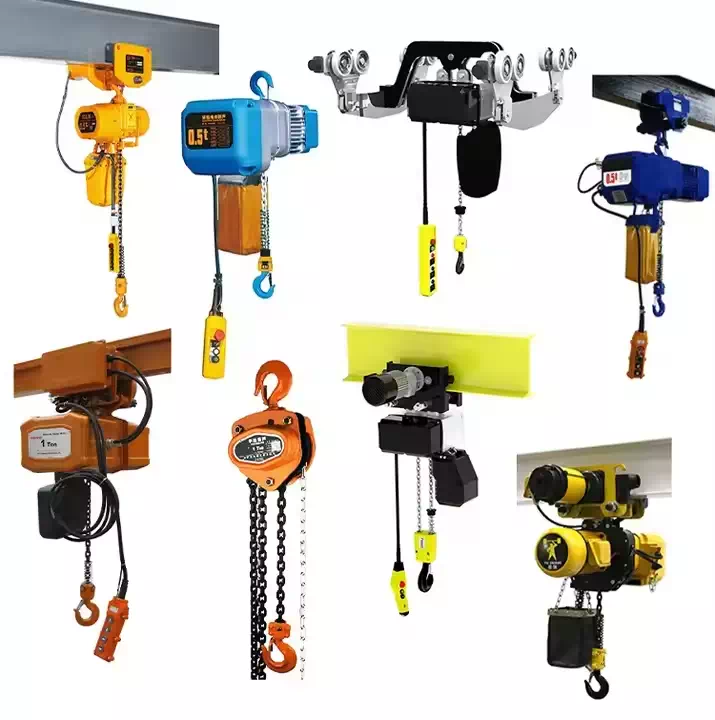
Electric chain hoists (commonly available in 1, 2, and 3-ton capacities) are versatile lifting solutions designed to meet the specific demands of various industries for efficient and reliable material handling.
Primary Application Scenarios:
1.Building Material Shops: Used for lifting and positioning heavy supplies like steel beams and cement bags. Their compact design allows easy operation in confined spaces.
2.Machinery Repair Shops: Essential for safely lifting and moving bulky machinery parts, enhancing technician safety and accelerating maintenance workflows.
3.Manufacturing Plants: Streamline production by facilitating the smooth transfer of heavy components and materials between workstations, reducing downtime.
4.Food & Beverage Factories: Assist in the hygienic and safe handling of heavy containers and equipment, supporting efficient production while adhering to strict cleanliness standards.


 English
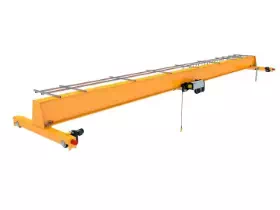 Single Girder Overhead Cranes
 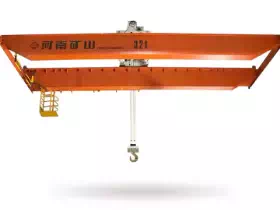 Double Girder Overhead Cranes
 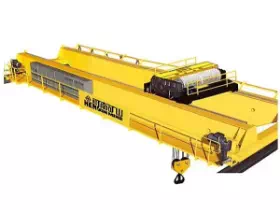 New Types Of Cranes
 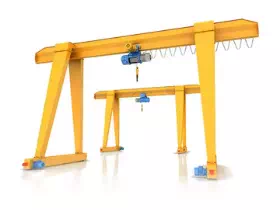 Single Girder Gantry Cranes
 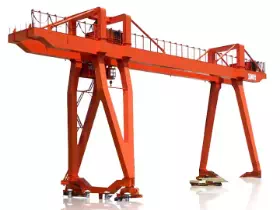 Double Girder Gantry Cranes
 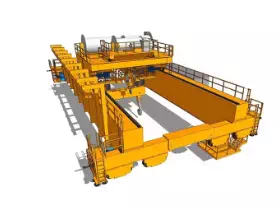 Ladle Cranes
 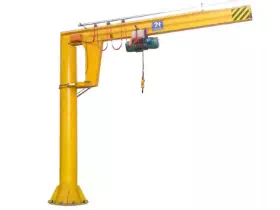 Jib Cranes
 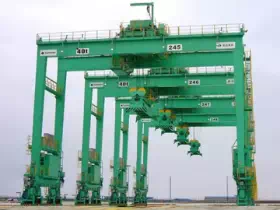 Port Crane


